Occupational Therapy

Occupational Therapy (OT) looks at helping people and kids function in their day-to-day environments
and getting patients back to a certain level of functionality in their daily activities at home, school,
work or the community. Pardiatric occupational therapist work with children who have a variety of
physical, developmental, sensory, behavioural, or cognitive challenges.
The most common reasons for a child to need OT are due to the following difficulties to the extent
that this impacts the child's ability to function compared to their peers:
Sensory integration difficulties:
- Kids who struggle with loud noises e.g. cover their ears, get frights with noises, avoid birthday parties or shopping center's.
- Tactile sensitivities: e.g. refusing to get dressed because of the feeling of the clothes, clothing being scratchy or too tight, meltdowns when getting dressed, refusing to touch textures such as messy play or foods.
- Kids who can't sit still, are very fidgety and on the go.
- Kids who struggle to maintain attention and focus on tasks due to getting distracted by sensory input.
- Feeding difficulties: sensitivity to the way food feels in their mouth, or the way the food looks resulting in picky and fussy eaters.
- Babies: who are very fussy, hard to settle, poor sleep and eating.
Delayed milestones
- Kids who struggle to engage verbally and use gestures.
- Delayed sitting, crawling and walking.
Functional difficulties
- Not keeping up with peers in the classroom.
- Poor fine motor skills like being able to hold a crayon or pencil, being able to colour in the lines, untidy handwriting, letter or number reversals.
- Eating challenges.
- Poor coordination- clumsy, trip over often, can't follow through with instructions,
difficulty participating in sports or gross motor play like their peers.
Learning difficulties
- Delays in reading, spelling and writing.
Kids who have a diagnosis:
- Neurological impairments such as Cerebral Palsy or syndromes.
- Autism spectrum disorder.
- Concentration difficulties which could be diagnosed as ADHD.
At GKOT we specialise in paediatric occupational therapy to address the above difficulties utilising
various techniques and approaches: Sensory integration, Feeding Therapy, DIR Floortime, Babies and
the NICU.
Sensory integration
Sensory Integration is a natural and essential process where an individual receives and organizes
information from their senses and the environment, and responds to these sensations, enabling them
to function optimally in their world. Sensory Integration involves the five familiar senses-hearing,
taste, touch, smell, and sight-it also focuses on a child's response to vestibular (movement system)
and their proprioceptive systems (body awareness) which are crucial for their regulation and overall
functioning.
Some babies and children may appear more sensitive to sensory input like touch, noises or movement.
They can have big meltdowns, get overwhelmed easily, cover their ears, avoid noisy places and may
struggle with changes in their routine. Some children may be more seeking of sensory input and
appear very active, fidgety, love to get messy, hum constantly and can't sit still. Difficulties in sensory
integration can impact a child's regulation, ability to sleep, eat, play and participate in the classroom.
In OT we aim to improve a child's sensory processing by creating new neural pathways and this
provides a good foundation for their other skills to develop such as gross motor, fine motor and visual
perceptual skills.
Feeding therapy
It can be extremely stressful for a parent with children who are fussy eaters, and this is even more
worrisome when a child experiences eating difficulties.
Sequential-Oral-Sensory (SOS) feeding is one of the feeding approaches we use for babies and children
who are picky and fussy eaters. Feeding difficulties can stem from sensory sensitivities- sensitivity to
the way a food feels in their mouth and the way the food looks or smells. Feeding difficulties can also
be due to oral motor challenges and we therefore frequently consult with a speech therapist.
DIR Floortime
The Developmental, Individual-Differences & Relationship-based model approach is used mainly for younger children who have communication and engagement difficulties. Looking specifically at developing the relationship and emotional connection between the child, therapist and parents.
NICU and babies
It involves going into the hospital and assisting mostly premature babies. - positioning them in the incubator correctly, helping with their regulation and bonding with the parents.
Some babies can have sensory integration difficulties and appear very fussy and hard to settle. We help parents understand, read and respond to their baby's cues to assist in their regulation and parent- baby bonding. We use sensory integration approach as well as the Newborn Behavioural Observations when assisting fussy babies.
The OT process
A thorough assessment is undertaken for each child that comes to the practice. We document the findings in a report and provide comprehensive feedback to the parents. We set functional goals for each child which we work towards in the therapy process as this provides measurable progress in therapy. We give parents activities to do with their child at home.
Treatment
At GKOT we provide therapy in a fun and constructive manner to enhance your child's potential and function through effective individualized therapy. Using a bottom-up and goal-based approach to create neural pathways and improve the foundations of the child through sensory integration and play. We treat the foundations so that the child feels enabled, confident and has fun.
GKOT is conveniently situated in Rochester Place- just behind Morningside Clinic. For any questions, please do not hesitate in contacting me.
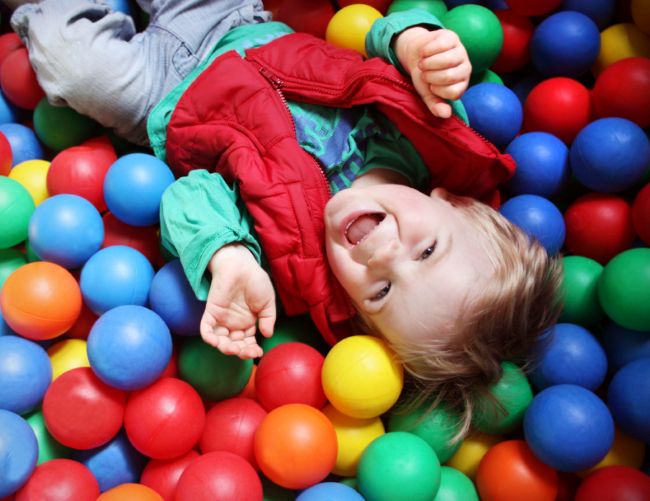
Understanding your child's sensory processing and engagement

Contact Details:
082 667 7898
gabbi@gkot.co.za
Address:
173 Rivonia Road, Rochester place, Block G, Morningside, Sandton